.avif)
How High Should You Hang Artwork?
Learn the simple rules for perfect picture height and visual balance in any space.
How High Should You Hang Artwork? A Professional Guide for Brisbane Homes
Hanging artwork at the correct height is one of the most important factors in creating a balanced and visually pleasing room. Many homeowners place artwork too high on the wall, which makes it feel disconnected from the rest of the space. Professional installers follow a few simple principles to ensure artwork sits comfortably within a room and feels naturally positioned.
The most widely used guideline is the gallery height rule, which places the centre of the artwork at eye level. However, there are many situations where this rule needs to be adjusted depending on the ceiling height, furniture placement, and the size of the artwork itself.
This guide explains how professionals determine the correct height to hang artwork and how to apply these principles in Brisbane homes.
The 57 Inch Rule Explained
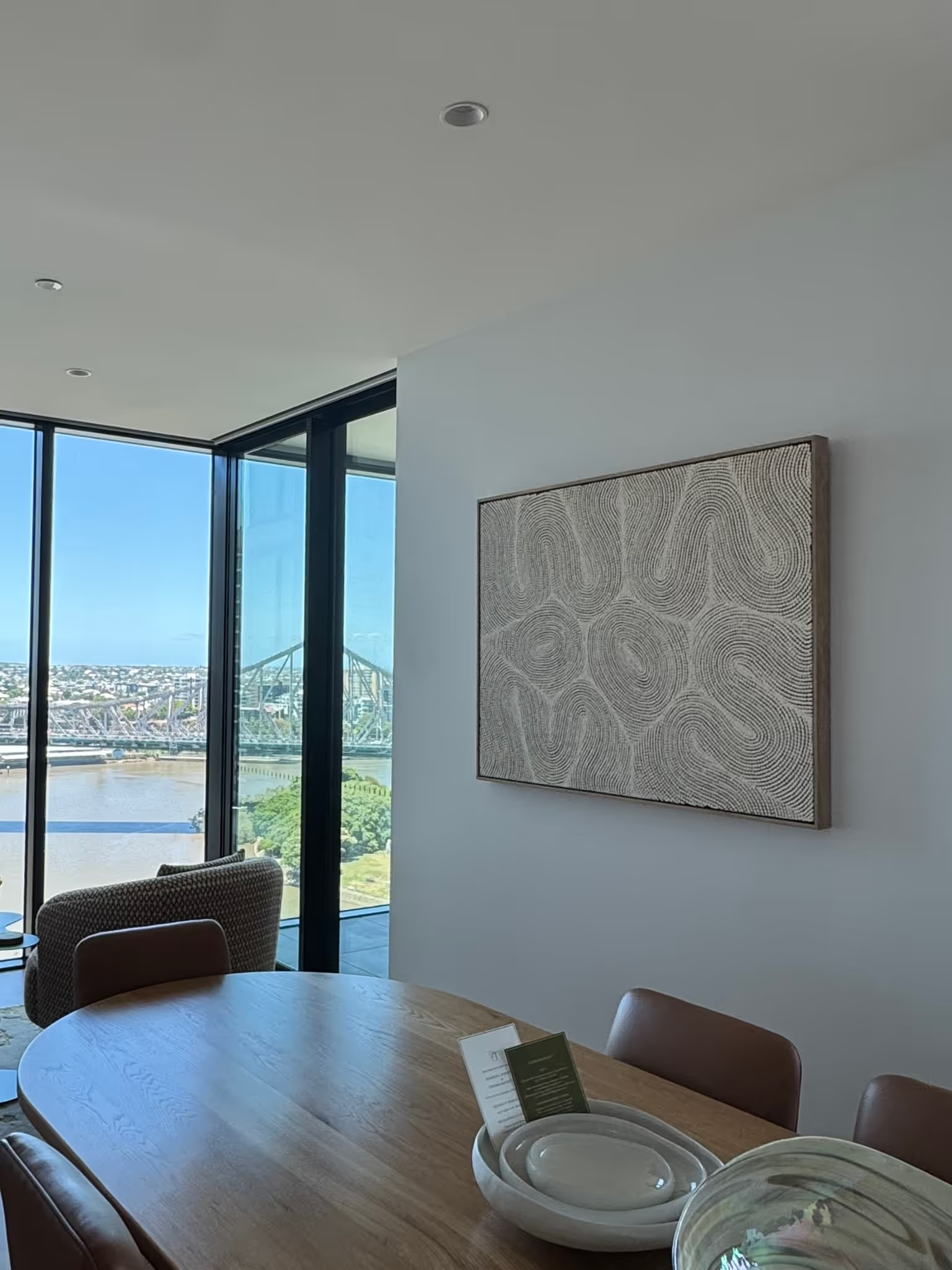
The most commonly used guideline for hanging artwork is the 57 inch rule. This rule states that the centre of the artwork should sit approximately 57 inches (145 cm) from the floor.
This measurement roughly matches average eye level, which is why galleries and museums around the world use it when installing exhibitions.
To apply the rule:
- Measure the height of the artwork.
- Divide the height by two to find the centre point.
- Position the centre of the artwork 145 cm from the floor.
For example, if a framed artwork is 80 cm tall, the centre of the piece sits at 40 cm. To place the centre at 145 cm from the floor, the hanging hook would typically be positioned around 185 cm from the floor.
This rule works extremely well for single artworks placed on empty walls, particularly in hallways, entryways, and living rooms where artwork is viewed while standing.
Adjusting Artwork Height for Ceiling Height
While the 57 inch rule is a useful starting point, it is not always the final answer. Ceiling height can influence how artwork should be positioned within a room.
Brisbane homes vary widely in ceiling height, from modern apartments to traditional Queenslander houses with very high ceilings.
For standard ceilings around 2.4 metres, the 145 cm centre height works well and usually produces the most balanced result.
For higher ceilings around 2.7 metres or above, artwork can sometimes be raised slightly. However, the artwork should still remain visually connected to the furniture and living area of the room.
In homes with very high ceilings such as Queenslander properties, the biggest mistake is placing artwork too high in an attempt to fill the vertical wall space. Instead, artwork should remain positioned within the lower living zone of the room where people interact with the space.
Professional installers focus on balancing artwork with the furniture and sight lines of the room rather than simply centring it within the wall height.
Hanging Artwork Above Furniture
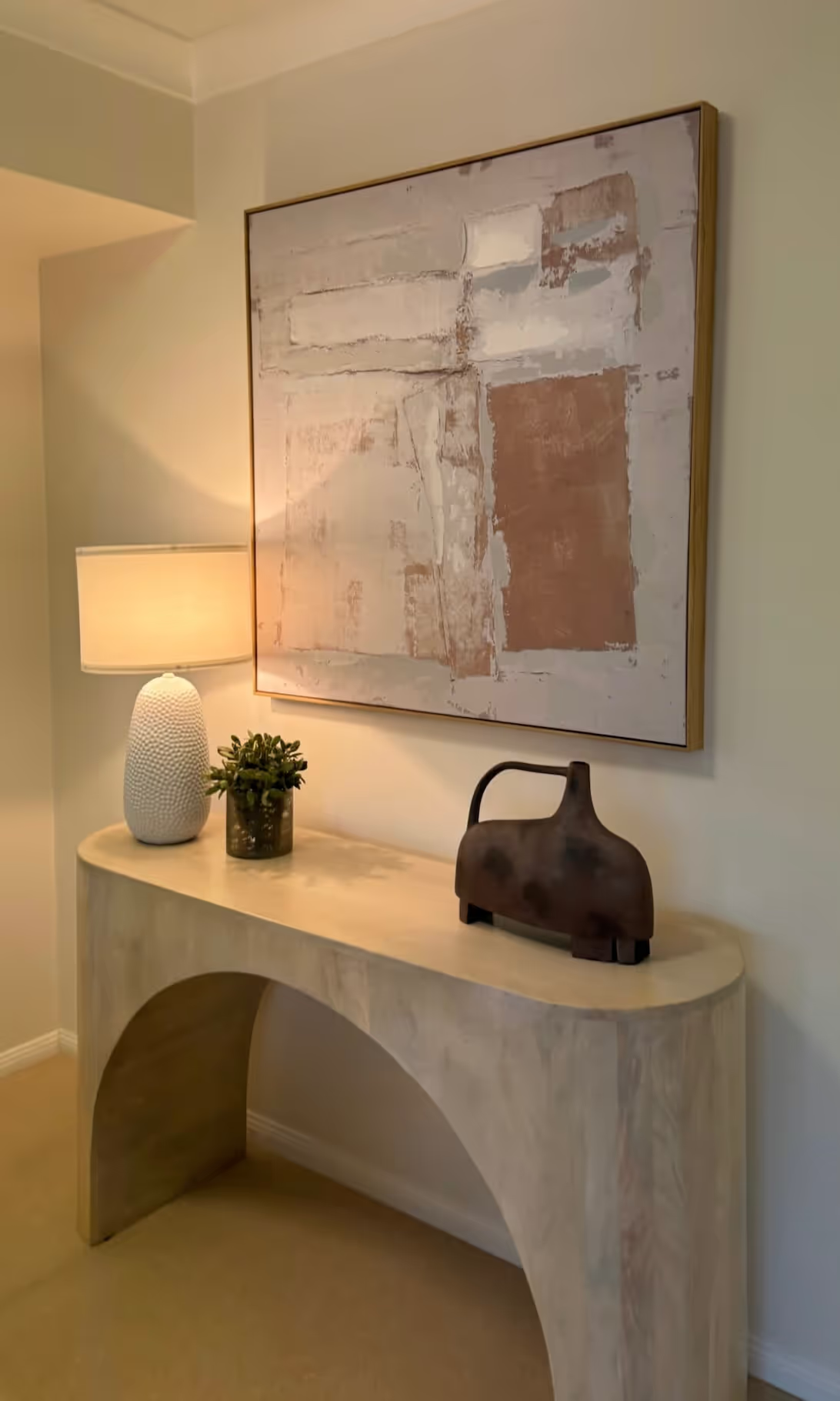
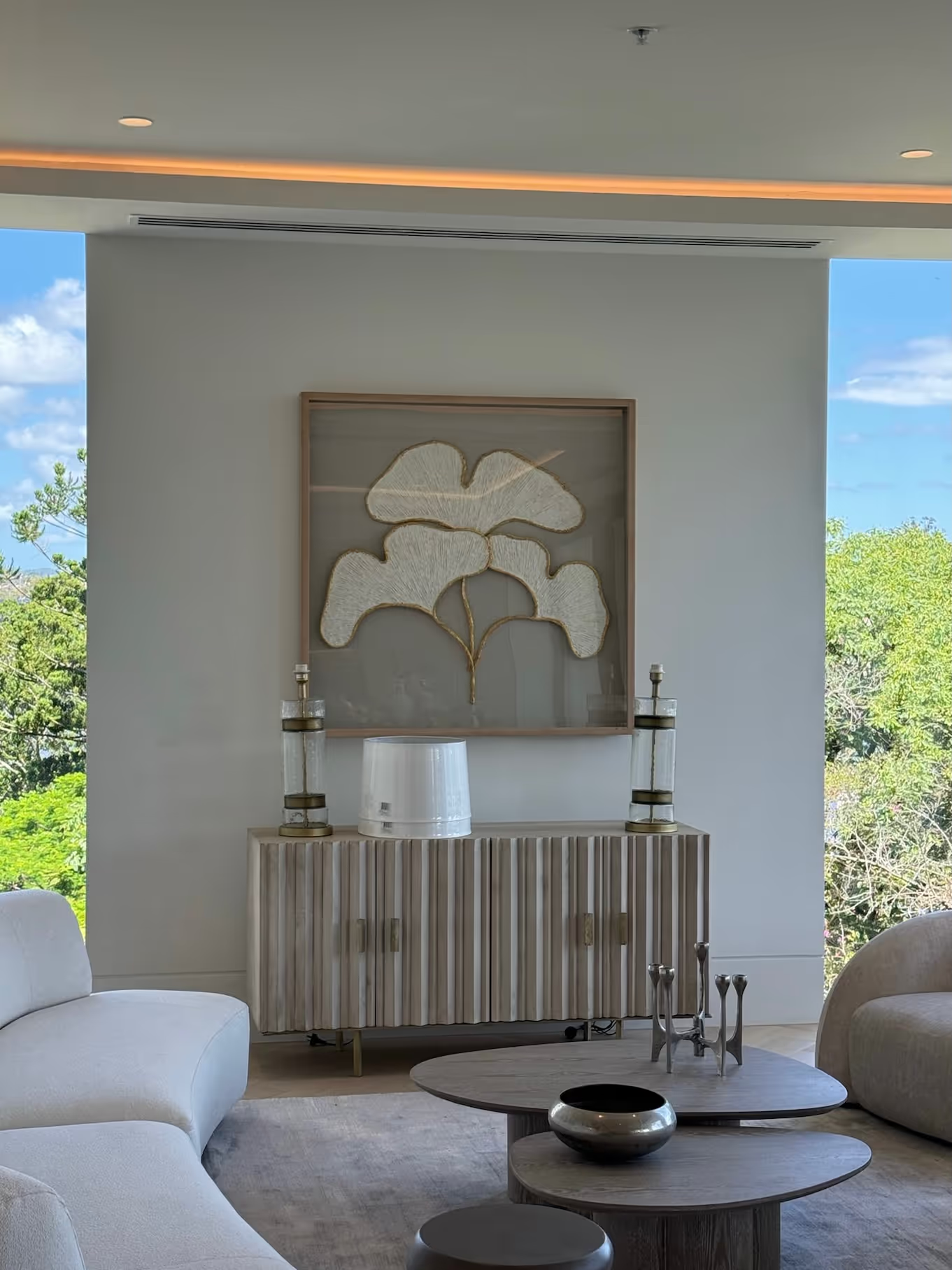
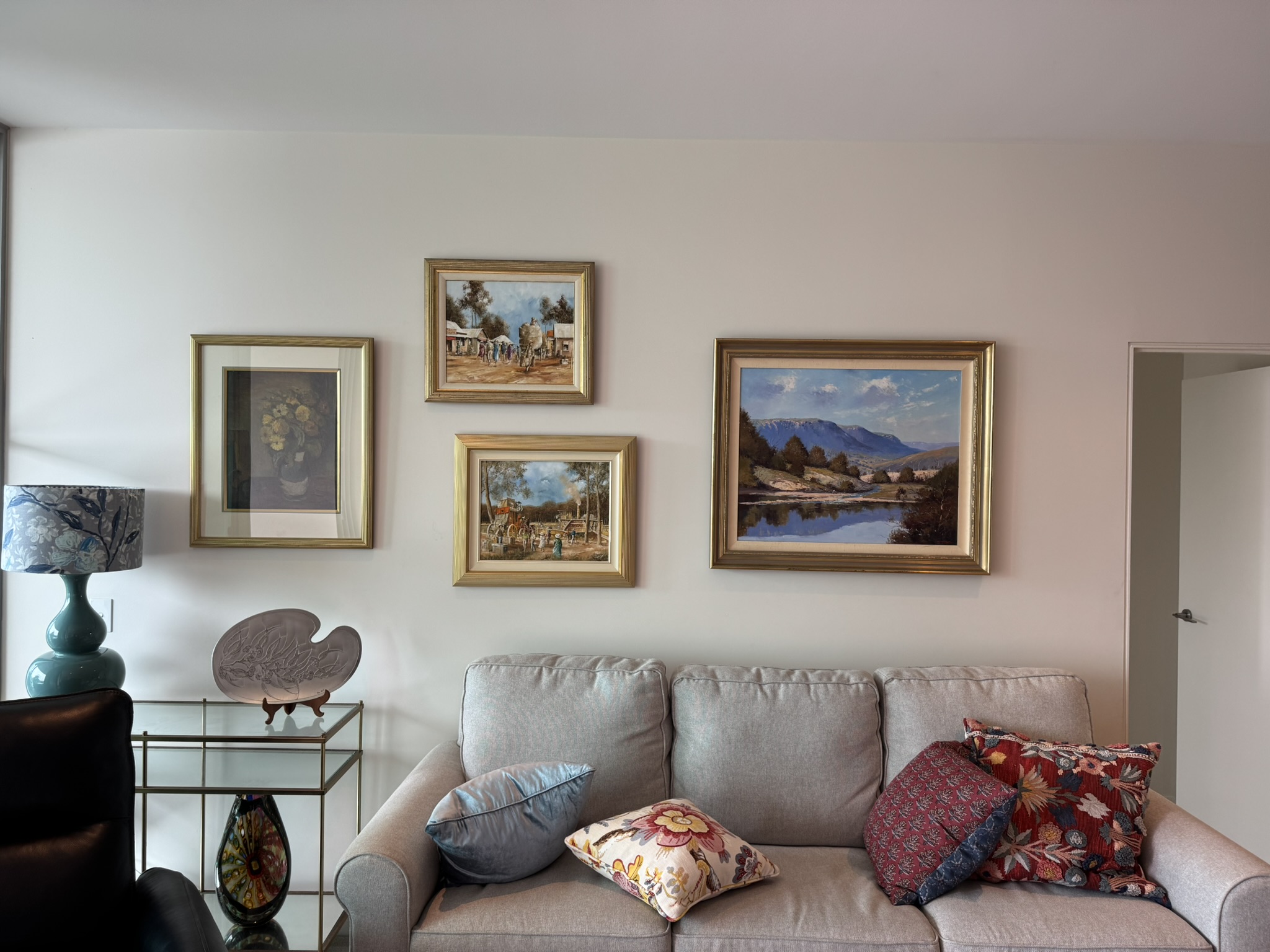
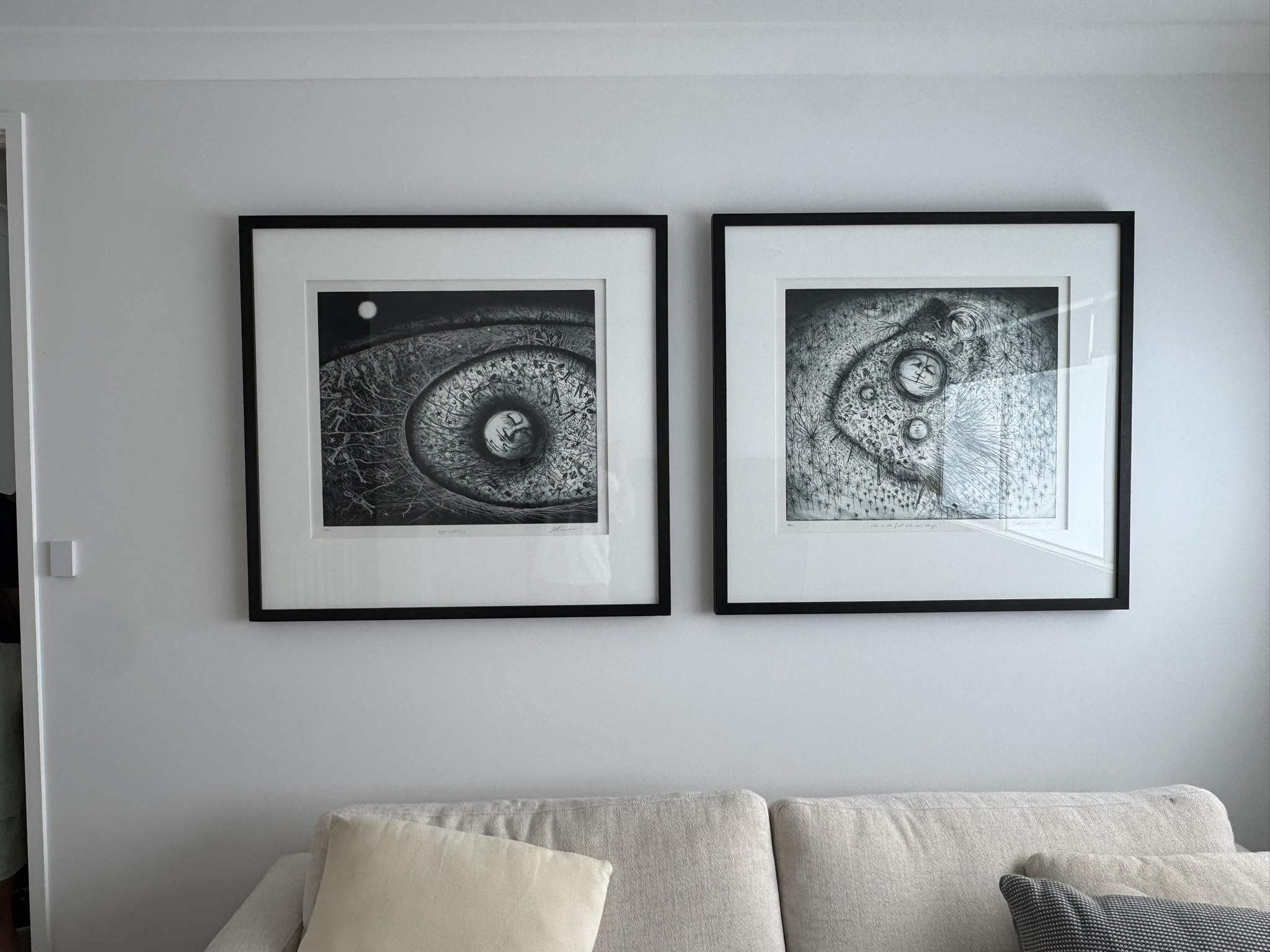
When artwork is positioned above furniture such as a sofa, console table, or bed, the 57 inch rule becomes less important. Instead, the artwork should visually connect with the furniture below it.
In most cases, artwork should sit 15 to 25 centimetres above the furniture.
For example:
• Artwork above a sofa should sit roughly 20 cm above the backrest
• Artwork above a console table should sit 15 to 20 cm above the tabletop
• Artwork above a bed headboard should sit 20 to 30 cm above the headboard
Another important factor is width. Artwork above furniture should usually span 60 to 75 percent of the furniture width. This keeps the proportions balanced and prevents the artwork from appearing too small or disconnected.
When the artwork is much narrower than the furniture, grouping multiple frames together can create a more balanced arrangement.
Gallery Wall Height and Layout
Gallery walls are one of the most popular ways to display artwork and photographs in modern homes. Although gallery walls contain multiple frames, the same principle applies as with a single artwork.
The entire gallery arrangement should be treated as one visual unit, and the centre of that unit should sit around 145 cm from the floor.
A typical process used by professional installers looks like this:
- Arrange all frames on the floor first to determine the layout.
- Measure the full height of the layout once assembled.
- Identify the centre of the entire grouping.
- Position that centre point around 145 cm from the floor.
Spacing between frames is also important.
Common spacing guidelines include:
• 5 to 8 cm spacing for small frames
• 8 to 12 cm spacing for larger frames
Consistent spacing helps the gallery wall appear organised and intentional rather than cluttered.
Gallery walls can also be arranged in different styles including grid layouts, organic salon arrangements, and staircase gallery walls that follow the angle of the stairs.
Mirrors vs Artwork Height
Mirrors follow slightly different placement rules compared with artwork. While artwork is primarily decorative, mirrors also influence light and the perceived size of a room.
Because of this, mirrors are often positioned based on what they reflect rather than strictly following eye level rules.
Common mirror placement guidelines include:
• hallway mirrors centred around 145 cm from the floor
• mirrors above consoles positioned 10 to 20 cm above the furniture
• large floor mirrors placed lower to reflect more of the room
Heavy mirrors also require stronger wall anchors than standard picture frames. Proper installation is especially important when mounting mirrors on plasterboard or brick walls.
Room by Room Artwork Placement Guide
Different rooms in a home often require slightly different approaches when hanging artwork.
Living room
Artwork in living rooms is often positioned above sofas or entertainment units. In these cases, the artwork should sit roughly 20 cm above the furniture and span a significant portion of the furniture width.
Bedroom
Artwork above beds should generally be centred above the headboard and placed about 20 to 30 cm above it. Larger statement pieces or pairs of artworks work well in this space.
Hallways
Hallways are one of the best places to follow the traditional 145 cm centre height rule, since artwork is usually viewed while walking through the space.
Staircases
Staircase walls are ideal for gallery walls. Frames should follow the angle of the staircase while maintaining consistent spacing between pieces.
Wall Types in Brisbane Homes
Another factor that professionals consider is the wall material.
Different wall types require different anchors and installation methods.
Plasterboard
Most modern homes use plasterboard walls. Standard picture hooks work well for lighter artwork, while heavier frames require wall anchors or studs.
Brick walls
Brick walls require masonry drilling and specialised anchors to support heavier pieces.
Concrete walls
Concrete walls are very strong but require hammer drills and masonry anchors for installation.
Rendered surfaces
Rendered brick or concrete surfaces need careful drilling to prevent cracking.
Using the correct hardware ensures artwork remains secure and level over time.
Common Mistakes When Hanging Artwork
Several common mistakes cause artwork to look poorly positioned.
These include:
• hanging artwork too high on the wall
• centring artwork within the wall rather than the living space
• ignoring furniture alignment
• uneven spacing in gallery walls
• using incorrect wall anchors
Correct positioning ensures artwork feels integrated with the room rather than floating awkwardly above it.
Professional Measuring Method
Professional installers often follow a precise measuring method to ensure artwork is perfectly positioned.
The process typically includes:
- Measuring the artwork height.
- Determining the centre point.
- Calculating the correct hook position.
- Using a level or laser level to ensure alignment.
For gallery walls, installers may also use paper templates or layout guides before drilling into the wall.
This approach helps ensure every frame sits level and evenly spaced.
When to Hire a Professional Installer
While many homeowners hang artwork themselves, larger installations can quickly become complicated.
Professional installation can be helpful when:
• installing large or heavy artworks
• creating gallery walls with many frames
• hanging heavy mirrors
• installing artwork on brick or concrete walls
Professional installers also ensure frames are perfectly level and positioned according to the room layout.
Quick Rules for Hanging Artwork
If you want a simple rule to follow, remember these guidelines:
• Centre artwork around 145 cm from the floor
• Hang artwork 15 to 25 cm above furniture
• Treat gallery walls as a single visual unit
• Maintain consistent spacing between frames
• Avoid hanging artwork too high
Following these principles will create a balanced and professional looking result in almost any room.
Frequently Asked Questions
What is the correct height to hang artwork?
Most professionals place the centre of artwork around 145 cm from the floor, which aligns with average eye level.
Should artwork be centred on the wall?
Artwork should be centred relative to the room layout and furniture rather than the exact centre of the wall.
How high should artwork be above a sofa?
Artwork should generally sit 15 to 25 centimetres above the sofa.
How much space should be between frames in a gallery wall?
Spacing between frames usually ranges from 5 to 10 centimetres depending on the frame size.
.JPEG)